Sustainable Solutions: How E-Waste Recycling Services Are Saving Our Planet
Electronic waste presents serious dangers to the environment, as discarded electronics often contain toxic materials. These hazardous substances can contaminate soil and water, resulting in widespread environmental harm. E-waste recycling services present a viable solution. They not only recover valuable resources but also mitigate pollution. Gaining insight into how these programs function and affect local communities is critical. The path to successful electronic waste management prompts vital discussions about personal accountability and communal efforts. What measures can be pursued from this point onward?
Why Electronic Waste Is Harmful to the Planet
Although technology enhances contemporary living, e-waste poses considerable environmental hazards. Discarded electronic devices, often containing dangerous compounds like lead, mercury, and cadmium, are capable of seeping pollutants into groundwater and soil, posing risks to both wildlife and human well-being. The rapid pace of technological advancement results in increased consumer turnover of electronics, exacerbating the accumulation of e-waste.
Landfills, already overwhelmed with refuse, find it difficult to handle the increasing amounts of discarded devices. Incineration, a common waste management technique, emits dangerous pollutants into the environment, degrading atmospheric conditions. In addition, improper recycling practices can lead to the exportation of e-waste to developing countries, where laborers may dismantle devices without adequate safety measures, exposing themselves to dangerous substances. This cycle of neglect and improper handling underscores the urgent need for sustainable recycling solutions that can mitigate the adverse effects of e-waste on the planet.
What Is E-Waste and Why Does It Matter?
E-waste, also referred to as electronic waste, encompasses discarded electronic devices like smartphones, computers, and televisions that are no longer functional or needed. This rapidly expanding waste category is noteworthy due to its rapid accumulation, propelled by advances in technology and evolving consumer behaviors. With an increasing number of devices reaching obsolescence, the toll on the environment grows more severe, with harmful substances like lead, mercury, and cadmium presenting serious hazards to the environment and human well-being.
The significance of tackling e-waste extends beyond minimizing these risks to recognizing the valuable resources it holds. Precious metals and rare earth elements can be recovered and reused, reducing the need for mining and conserving natural resources. Through a deeper awareness of e-waste and its consequences, both individuals and organizations can make well-informed choices regarding disposal and recycling, thereby supporting a more sustainable future. Proper management of e-waste is essential for fostering a circular economy and promoting environmental stewardship.
The Way E-Waste Recycling Functions
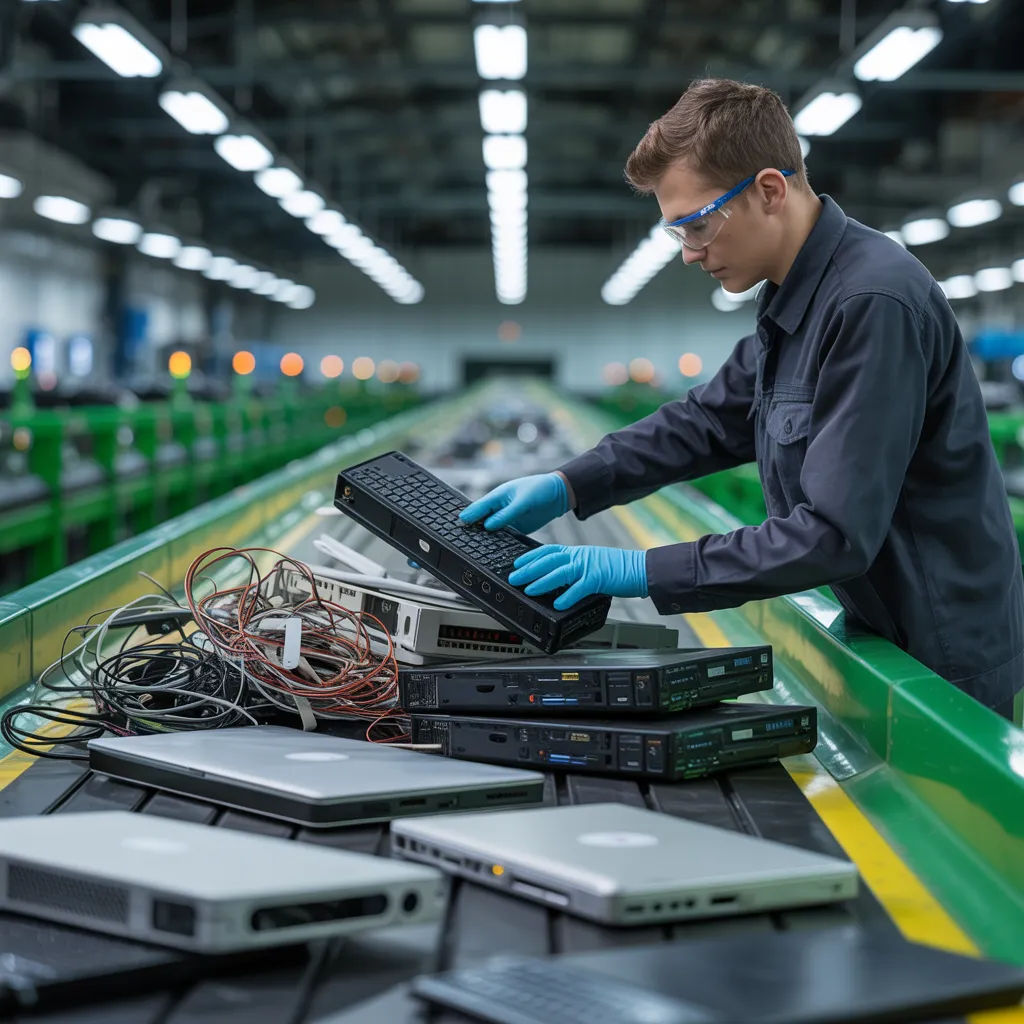
E-waste recycling entails a structured approach aimed at reclaiming useful resources while limiting ecological damage. To begin, discarded electronics are retrieved and sent to purpose-built recycling plants. Once there, the electronics are carefully categorized to isolate dangerous parts from recoverable materials.
Next, technicians take apart the electronics, removing glass, metals, and plastics. This step is critical, as it enables the extraction of valuable metals like copper, gold, and silver, which can be recycled in new electronic devices.
Subsequently, the isolated materials are treated using advanced techniques, such as shredding and specialized chemical treatments, to cleanse them for further use.
Ultimately, the residual dangerous materials are managed properly, adhering to environmental regulations. This comprehensive process not only conserves resources but also minimizes the hazards linked to irresponsible electronic waste disposal, securing a more eco-conscious future for the consumption of electronics.
How E-Waste Recycling Benefits You and Your Community
Although it often goes unnoticed, the advantages of e-waste recycling extend beyond personal convenience to positively impact entire communities. By carefully processing electronic waste, individuals play a role in creating a safer environment, minimizing toxic components that can leach into soil and water. This forward-thinking practice actively safeguards local ecosystems and advances public health.
Furthermore, e-waste recycling fosters workforce growth within communities. Nearby recycling establishments regularly need employees for numerous tasks, including collection and processing, thereby providing employment opportunities within the community. This not only stimulates the local economy but also encourages community engagement in sustainable practices.
Moreover, knowledge about e-waste recycling is capable of inspiring community outreach programs, equipping residents to embrace sustainable practices. By participating in e-waste recycling programs, individuals promote a culture of sustainability, motivating others to embrace similar practices. Ultimately, the cumulative impact of these actions can result in a more sustainable and conscientious community.
How to Choose an E-Waste Recycling Service
Selecting the most suitable e-waste recycling service is vital for ensuring that electronic refuse is managed responsibly and sustainably. Initially, people should confirm the company's certifications, such as R2 and e-Stewards certifications, which demonstrate conformance to industry standards for secure waste disposal procedures. Additionally, it is advisable to assess the company's reputation by checking reviews and looking for recommendations from trusted sources.
Furthermore, transparency in the recycling process is vital. A trustworthy service should offer detailed insights about how e-waste is processed and how the materials are utilized. Moreover, assessing the variety of services available can be advantageous; certain providers may offer collection services or present rewards for recycling.
Furthermore, being aware of regional rules concerning e-waste disposal can help inform the decision-making process. Through focusing on these key aspects, people are able to support successful electronic waste reduction while supporting sustainable environmental efforts.
How You Can Take Part in E-Waste Recycling?
Participating in e-waste recycling may begin at the local level, where community recycling hubs regularly supply essential services for safe disposal. Additionally, participating in community awareness campaigns can strengthen efforts to inform others regarding the importance of responsible e-waste management. Such efforts not only advance environmental sustainability but also build a collective sense of stewardship of the environment.
Community Recycling Locations
Many local recycling centers play an essential role in recycling electronic waste, providing communities with accessible options to handle electronic waste in a responsible manner. These stations receive a wide array of electronic equipment, including old computers, smartphones, and televisions, verifying that toxic materials are disposed of safely. The majority of facilities employ knowledgeable personnel who are able to assist individuals with correct disposal techniques, underscoring the benefits of recycling compared to landfilling. Furthermore, numerous facilities provide scheduled drop-off occasions or specific collection dates, allowing residents to take part with ease. By engaging with these local facilities, community members advance a circular economy, lowering environmental harm and encouraging sustainable habits. Engaging with these centers enables communities to combat e-waste pollution successfully.
Community Education Campaigns
Local organizations, schools, and businesses can work together to organize events that support e-waste collection drives. Volunteers can play a pivotal role in promoting knowledge, handing out educational content, and interacting with the surrounding community. By means of these joint initiatives, community members View all grow more knowledgeable and inspired to dispose of their electronics responsibly, thereby helping to build a greener and more sustainable tomorrow.
Frequently Asked Questions
Which Types of Electronics Are Recyclable?
Various electronics are able to be recycled, including smartphones, computers, laptops, televisions, printers, and gaming consoles. In addition, peripherals such as keyboards, mice, and batteries are equally appropriate for recycling, aiding in sustainable environmental practices.
Are There Any Costs Associated With E-Waste Recycling?
Indeed, e-waste recycling may involve costs, depending on the provider. Certain providers apply costs for collection or processing, while some providers make services available at no charge, typically funded by the proceeds from salvaged materials.
How Can Businesses Benefit From E-Waste Recycling?
Companies can take advantage of e-waste recycling by lowering disposal expenses, strengthening their ecological standing, complying with regulations, recovering valuable materials, and possibly earning income through resale, ultimately contributing to a more sustainable operational strategy.
What Becomes of Data on Recycled Devices?
Information regarding refurbished equipment is often irretrievably wiped or obliterated during the refurbishment process. This guarantees confidential data remains secure, preventing unauthorized access while permitting resources to be recycled safely and responsibly in new products.
Can I Recycle Broken Electronics?
Absolutely, non-functioning electronics are able to be recycled. Several recycling centers accept defective devices, providing responsible disposal and extraction of useful materials. This effort helps lower the environmental footprint while supporting sustainable recycling habits to manage electronic waste properly.